
In Vitro Diagnostic Devices
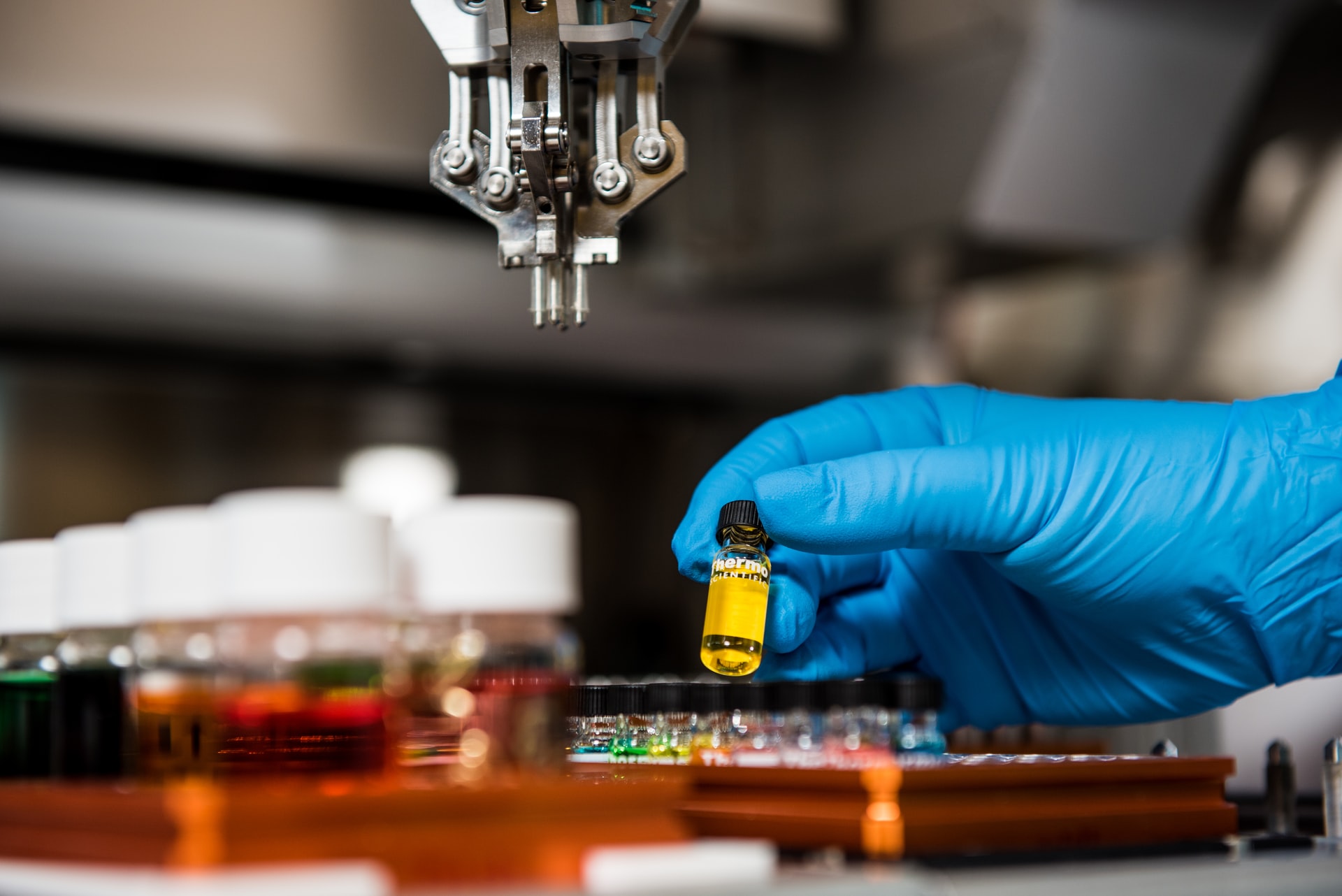
In Vitro Diagnostic (IVD) Devices
In vitro diagnostic devices (IVDs) are also part of the health technology industry. IVD device shall refer to a medical device intended by the manufacturer for use in studies outside the human body (in vitro) with human biological samples (blood, saliva, urine, faeces, tissue or exhale) for specified medical uses.
In practice, therefore, the IVD device is used to produce medical data by analyzing either new prospective samples to be taken in the future or old retrospective samples in storage.
The information generated by the IVD device can be used, for example:
- Anticipation (e.g. susceptibility to disease, prediction of response or reaction)
- prevention (e.g. determination of the safety and compatibility of treatment)
- for diagnosis (e.g. physiological or pathological function or condition, congenital physical disability or intellectual developmental disability)
- treatment (e.g. determining a treatment intervention)
- monitoring (e.g. observation of the condition being studied).
IVD devices themselves are not invasive and the sample is not taken by an IVD device, but by a medical device. Thus, the risk posed to the patient by the IVD device is only indirectly and more directly related to the device, for example, the actual sampling process and the treatment decision based on the result.
IVD devices include consumer pregnancy tests, blood glucose meters, clinical laboratory tests, HIV tests, blood group assays, and tests for cancer screening.
It is essential that medical devices and IVDs are products that are regulated by EU device regulation. EU regulations specify, among other things, the definition of medical use, which is crucial when assessing whether a particular technology is subject to regulation or not.
It does not matter, for example, whether the device is used by a healthcare professional or by a patient or consumer. For example, imaging and X-ray equipment used by healthcare professionals and pacemakers and insulin pumps used by patients are both regulated medical devices.
Examples of non-medical devices:
- Hygiene products (e.g. sanitary napkins)
- Colored contact lenses (without contact lens prescription)
- Heart rate monitors that are only used to monitor one’s condition
- Gene tests for genealogy
- Body shape-forming implants (e.g. horn implants) and fillers
- Hand sanitizers
- Devices for general laboratory or research use only