
New Cerenion Patent Improves Reliability of EEG Analysis in Challenging Clinical Conditions
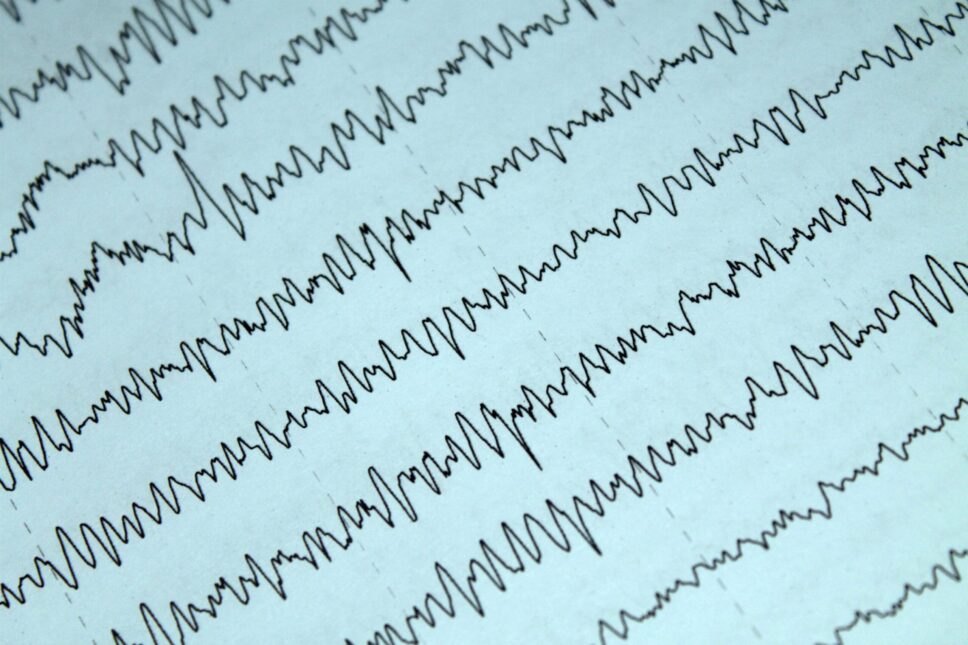
Cerenion has been granted a new patent for an advanced method that improves the reliability of EEG analysis by reconstructing missing or corrupted brain signal data using intelligent surrogate data techniques.
The patented technology enables quantitative EEG (qEEG) analysis to remain robust even when parts of the EEG signal are lost during measurement, transmission, or storage. By dynamically generating replacement signal segments that preserve key characteristics of the original EEG data, the method helps maintain the stability and quality of neurophysiological analysis in real-world clinical environments.
Reliable EEG monitoring is critical in intensive care and other demanding clinical settings, where signal disturbances and incomplete recordings can occur due to patient movement, technical interruptions, or challenging monitoring conditions. Cerenion’s patented approach is designed to support more dependable brain monitoring despite these practical limitations.
“Reliable EEG interpretation depends heavily on signal quality, but clinical environments are rarely perfect,” says Eero Väyrynen, CTO and co-founder of Cerenion. “This patented technology helps preserve analytical reliability even when recordings are incomplete, supporting more dependable neuro-monitoring for critically ill patients.”
The invention was developed by Cerenion’s multidisciplinary research team specializing in signal processing and AI-assisted critical care monitoring.
The newly granted patent represents another milestone in Cerenion’s mission to make EEG in acute healthcare easier and more accessible than ever before. It strengthens the company’s growing intellectual property portfolio and reinforces the commitments to enable the best possible care for all critically ill patients.
Original article: New Cerenion Patent Improves Reliability of EEG Analysis in Challenging Clinical Conditions – Cerenion