
AFRY wants to accelerate the circularity of concrete – “A public promise is both a carrot and a stick”
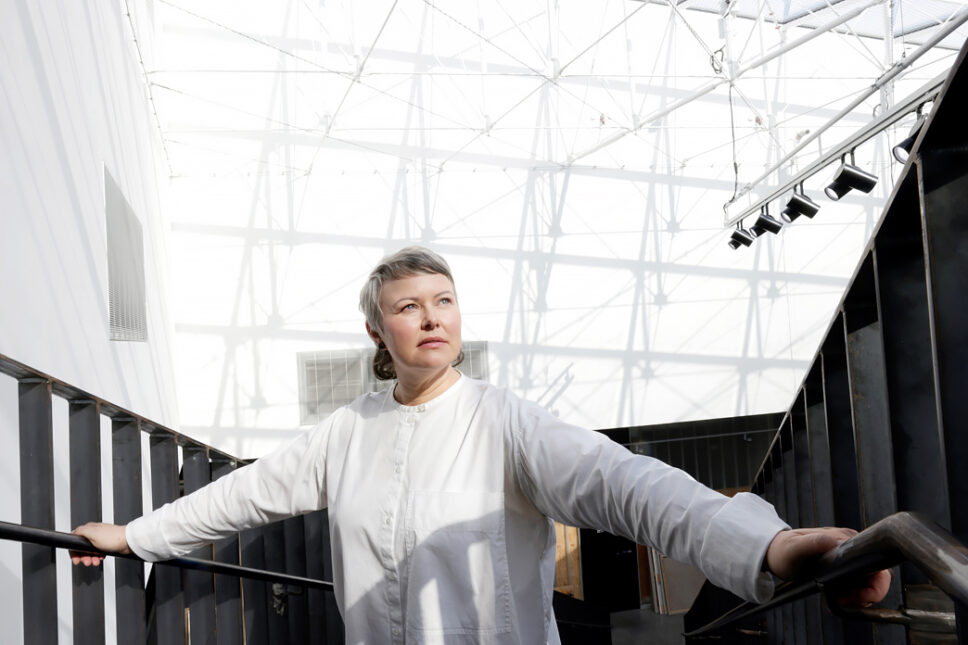
For AFRY, the circular economy is much more than just recycling – it is a new form of business and a way to create value for customers. The company’s Circular Economy Green Deal commitment is introducing new ways of working to the design and consultancy company’s projects and encouraging bold experimentation through pilot initiatives. “It often starts with a simple insight: not all old concrete needs to be crushed. Once you identify material that can be reused, you unlock savings and new opportunities,” says Katja Soini, AFRY’s Sustainability Director.
AFRY finalised its own Circular Economy Green Deal commitment during spring 2025, and it was announced in June. The Green Deal is a voluntary cooperation agreement led by several ministries, through which companies, cities and other actors commit to advancing the circular economy and sustainable development through practical actions.
- Headquarters: Stockholm, Sweden
- Personnel: Around 18,000 experts in more than 40 countries.
- Business areas: Energy, Industry, Built Environment
- Mission: We unlock transitions towards a sustainable and resilient society
According to Sustainability Director Katja Soini, AFRY Finland wanted to get involved because a public promise helps to steer and add weight to operations.
“When we make a public promise, we have to follow it up. It’s both a carrot and a stick,” Soini says.
Finland has a huge task ahead
Finland has committed to its goal of becoming a carbon-neutral circular economy society by 2035.
“Per capita, Finland is one of Europe’s biggest consumers of natural resources, and one of the biggest producers of waste with relatively low recycling rates. We have a huge leap to make,” Soini says.
Soini stresses that the circular economy relies on broad collaboration. No single actor can change established operating models alone; solutions emerge within networks.
“Finland’s strength is its strong and open civil society. When we decide to act, things get done. It’s in our nature and it creates plenty of opportunities.”
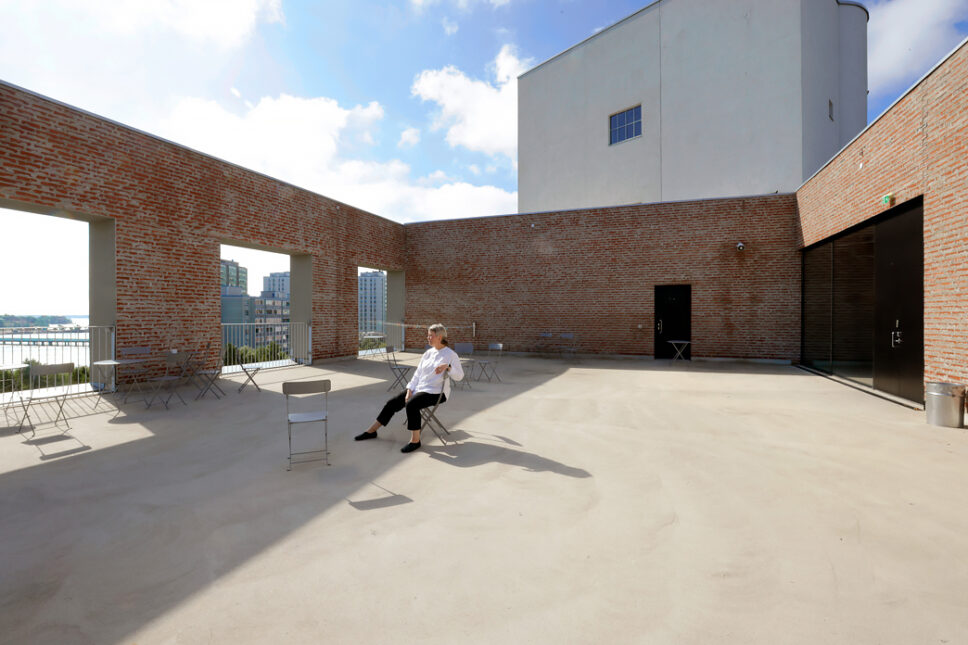
The construction sector is the largest single user of natural resources, and concrete plays a central role. In Europe, over 70 percent of all construction materials are concrete. Solutions that affect the way concrete is used can therefore have a major impact on emissions and resource efficiency across the sector.
“When it comes to investments and construction, the customer has a key role. But we also need the involvement of the concrete industry, construction companies and ministries preparing circular economy legislation. Finland has a long tradition of network-based collaboration – and in a circular economy, working together is essential,” Soini says.
AFRY’s three guiding principles and ten pilot projects
AFRY’s commitment consists of two main elements. First, the company will carry out ten pilot projects in Finland to test new approaches and demonstrate practical benefits. Second, AFRY has adopted three guiding principles that must be considered in all suitable projects by 2035 at the latest.
- The Circular Economy Green Deal, or circular economy commitment, is a voluntary strategic commitment that promotes the transition to a circular economy and reduced use of natural resources across society. It is a voluntary public promise by a company or organisation to advance the circular economy through concrete actions and measurable targets.
- The commitment supports the implementation of Finland’s national circular economy roadmap, with companies agreeing to shift their production, services and business models towards smart use of resources.
- Commitments can address, for example, material efficiency, recycling, the use of renewable raw materials or the development of new service models.
- The goal is to accelerate the transition from the linear ‘take-make-dispose’ model to a sustainable circular economy that saves natural resources, reduces emissions and creates new business opportunities.
“The pilot project status encourages bolder actions. But this alone is not enough – which is why we also need a commitment to introduce circular economy principles to all projects,” Soini says.
The principles are based on the idea of ‘reduce, reuse and recycle’. In practice, this means optimising material use based on life cycle needs, enabling the reuse of building components, and improving recycling quality – for example, by using low-carbon concrete.
“We are developing our internal guidance to help project teams apply the principles in practice. Our aim is eventually to influence official guidance and shape new ways of working for the entire sector,” Soini says.
“Not everything needs to be crushed”
AFRY is still finalising the monitoring and reporting model for its circular economy commitment, but individual projects are already producing promising results.
In Uusimaa, facade elements from an old commercial building were removed intact and reused in the extension of a neighbouring car park. In Pirkanmaa, a factory scheduled for demolition was found to contain contaminated concrete, but an investigation found that the good-quality portion of this material could be separated and reused elsewhere.
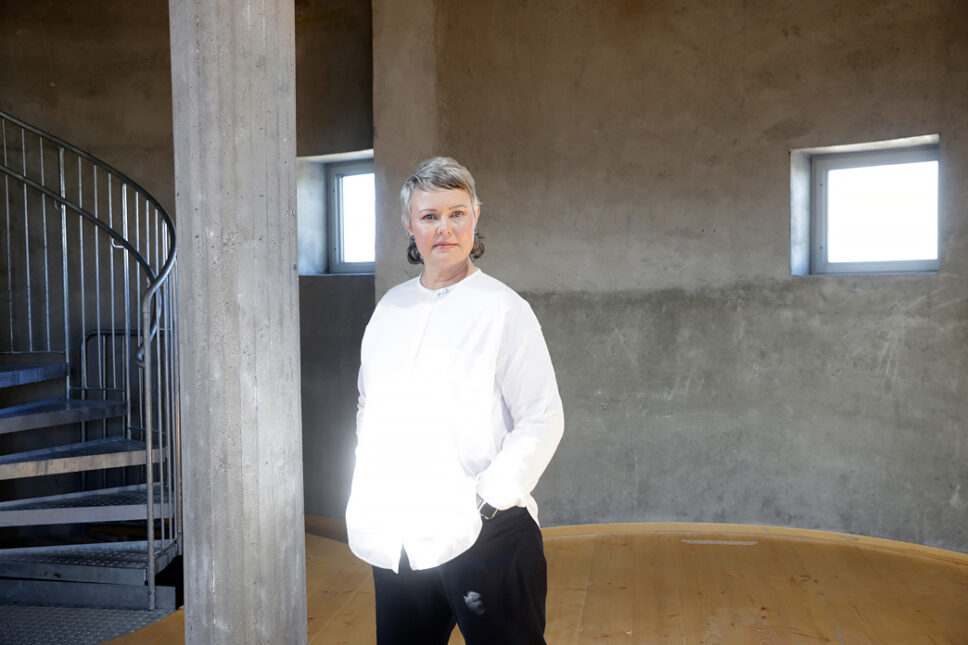
“It often starts with a simple insight: not all old concrete needs to be crushed. When we identify material that’s fit for use, we avoid unnecessary costs and give concrete new value. This also benefits the customer, because recycling contaminated building materials is very expensive. Now they don’t have to pay for everything – some material can be reused or even sold on as raw materials or building components,” says Soini.
New perspective has been an eye-opening experience
The circular economy also challenges designers’ traditional way of working. According to Sustainability Director Katja Soini, many experienced experts have found the shift in perspective a profoundly eye-opening experience.
“A structural engineer who has been designing bridges for 30 years is used to planning from point A to point B based on technical requirements. But what if a bridge that is being dismantled could supply components for a pedestrian and cycle path? This calls for a different way of thinking. Then, when you have a great idea, your eyes light up. The work becomes immediately more interesting,” Soini says.
AFRY employs nearly 3,000 people in Finland, and the adoption of circular thinking affects the whole organisation. Not everyone will make the transition at the same time, so clear guidelines and tools are essential.
Impact indicators being developed with universities
Participants in Circular Economy Green Deal commitments are required to report every three years. AFRY will report for the first time in 2027, and explain how widely the principles have been applied, how resource use has been reduced and how many pilots have been completed.
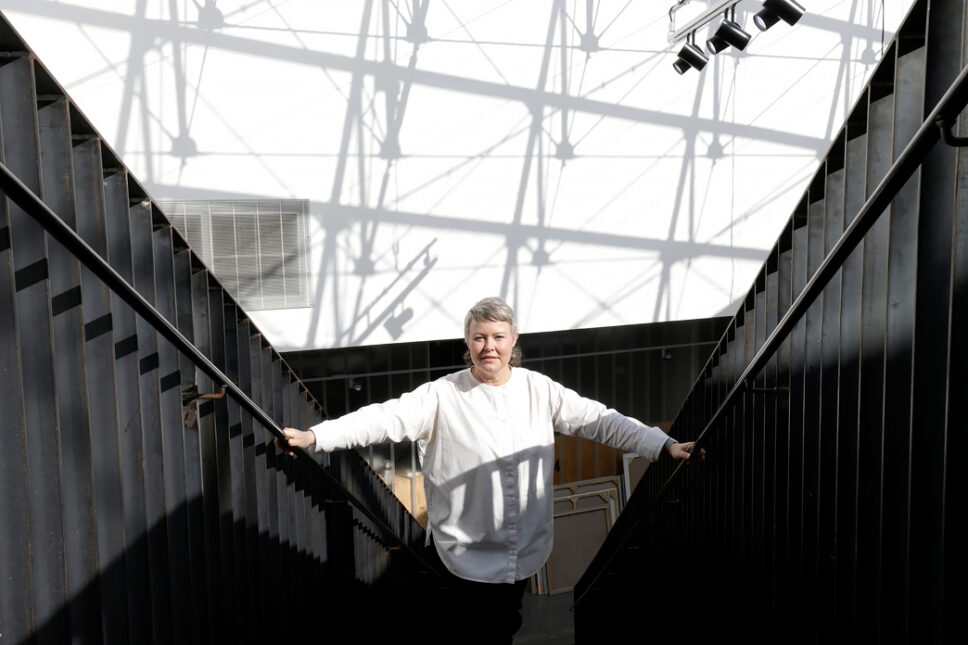
“We are currently developing impact indicators together with industry experts and universities. We want to understand the tangible benefits of reducing natural resource use. It’s a big question – but one we need to answer,” Katja Soini stresses.
AFRY sees circularity not as a project for individual companies but as a collective effort.
“This won’t be solved alone. We invite everyone interested to join us. It’s shared mission, and only together can we succeed.”
Katja Soini’s tips for companies considering a circular economy commitment
- Seek support and coaching: Contact the Ministry of the Environment, Motiva or Green Building Council Finland. They help organisations prepare commitments. Their coaching and materials help to clarify which themes to build the commitment on.
- Rely on research and standards: Don’t build your commitment solely on trends or intuition. Use research and standards as your foundation. For example, Finland’s Material Flow Analysis or the international ISO 59000 circular economy standard series help to ensure your targets are credible and measurable.
- Be selective. Not everything will fit into one commitment. Clear and well-defined choices allow the organisation to focus and deliver change. Even a seemingly narrow scope can open up entirely new opportunities.
Text: Mikko Viljanen / Photos: Liisa Takala